
Freedom, Treatment, and Institutional Care
Los renglones torcidos de DiosThe hospital’s reforms create a sustained argument over whether humane freedom can be separated from clinical safeguards and responsibility.
increasing Bearing strength in each event
 decreasing
Bearing strength in each eventdecreasingOpening the Institution
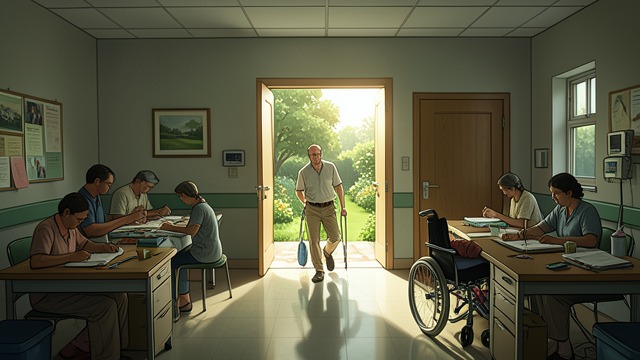
A New Hospital Ideal
Less confinement
Alvar reduces the appearance of imprisonment through open spaces, fewer bars, workshops, recreation, and limited permissions to leave. Residents gain activities and forms of independence previously denied to them.
A reform under scrutiny
The changes aim to restore dignity, but each freedom carries risks. The hospital must protect vulnerable residents without reproducing the coercion its reforms seek to overcome.
Failures of Safeguarding
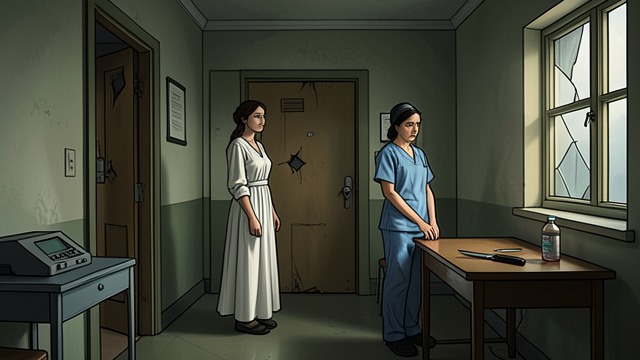
Freedom Without Preparation
Preventable dangers
Escapes, suicides, the country excursion’s casualties, and the failure to secure kitchen knives become evidence against the reform’s implementation. Staff argue that humane intentions cannot justify avoidable harm.
Alice’s case intensifies debate
Alvar’s decision to confine Alice among severely impaired residents and threaten treatment creates a further ethical conflict. The dispute concerns not only his policy but the responsibility of an institution toward a particular person.
A More Accountable Balance

Reform After Conflict
Change of leadership
Alvar’s resignation opens the way for a new director and a review of earlier decisions. The medical staff must preserve humane reforms while confronting the failures that accompanied them.
Care as a continuing obligation
The novel offers no simple return to old restrictions or unrestricted freedom. It emphasizes that humane treatment requires both respect for patients and attention to their safety, dignity, and individual needs.
Before Alice’s arrival
After the excursion and escape crises
After the provisional board assumes authority
